In engineering scenarios such as industrial plants, bridge bearings, heavy equipment foundations, and rail transit, concrete structures often endure continuous heavy loads or high-frequency mechanical vibrations.
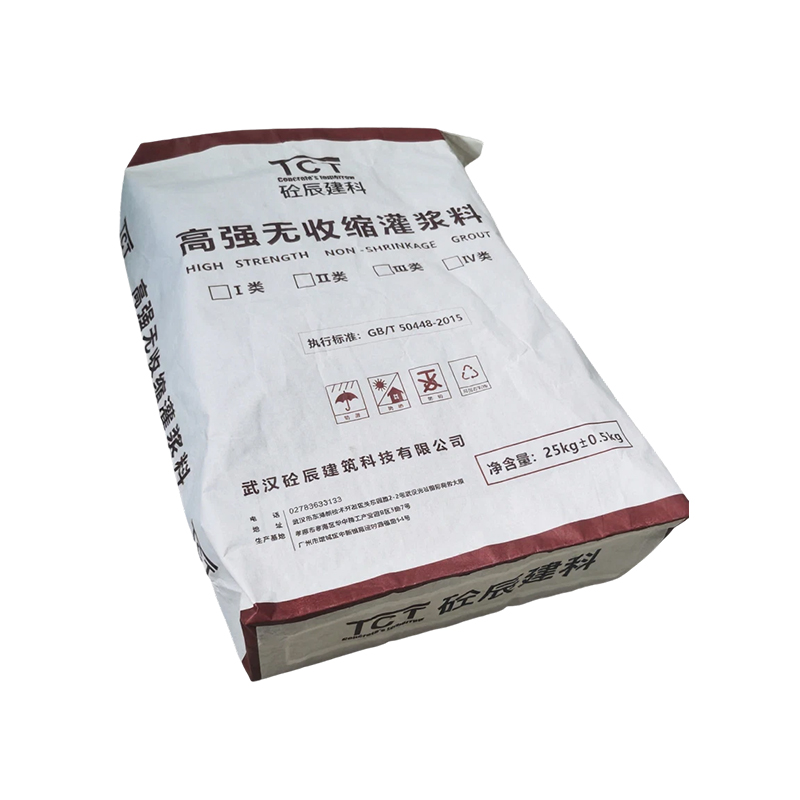
. High-strength repair grouting mortar—a dry powder material composed of polymers, ordinary silicate cement, ultrafine aggregates, expansion agents, and various special admixtures—is becoming a key technology in modern structural repair due to its superio
Lightweight porous aggregate, an artificial aggregate made from inorganic minerals through high-temperature processing, has found a delicate balance between the seemingly contradictory demands of weight reduction and load-bearing capacity thanks to its un
. Traditional repair methods often only address the symptoms, not the root cause. Concrete protective repair materials, through intelligent design at the microscopic scale, achieve a leap from "passive covering" to "active repair."
The emergence of new hydration heat inhibitors provides a more efficient, green, and precise solution to this industry problem—their inhibitory effect is far more significant than expected by conventional admixtures.
The emergence of lightweight porous aggregate offers an innovative solution to the dilemma between weight reduction and load-bearing capacity.